Veil: From a GitHub Profile Image to Encrypted Recovery
A security-minded GitHub profile experiment becomes research into embedding encrypted originals inside obfuscated images and text.
A humble GitHub image experiment became research into encrypting originals and embedding them in the obfuscation itself.
How AI Research Transforms Small Tools
Part 2 of 3
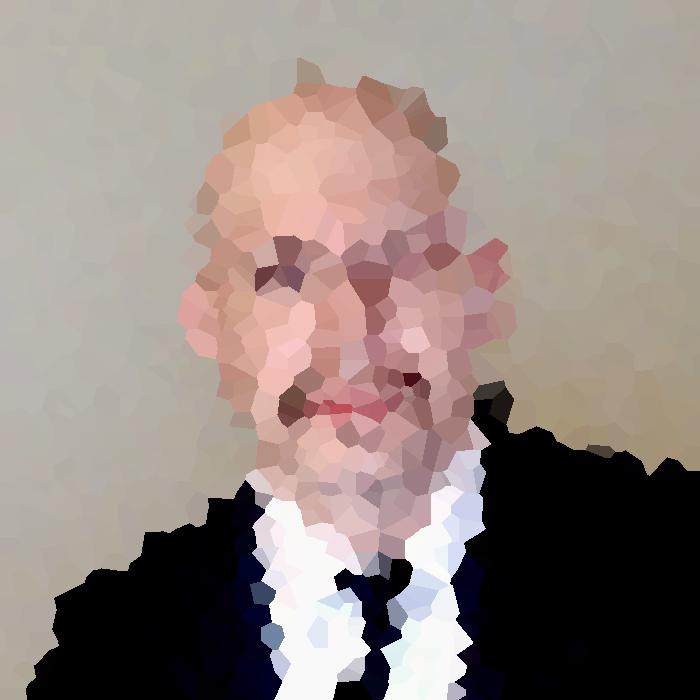
Veil started with a small, slightly silly need: I wanted a security-oriented GitHub profile image that wasn't just an ordinary photograph. A geometric, Voronoi-style abstraction seemed more fitting, so I built a tool to transform an image into something resembling abstract art.
That was supposed to be the whole project. The result was one-way: interesting to look at, but impossible to reconstruct exactly.
Then AI-assisted exploration and research on reversible data hiding, encryption, compression, and steganography suggested a much more ambitious question:
What if the original image could be encrypted and embedded inside its own obfuscation?
That's the goal. The geometric artwork would also carry the encrypted data needed to restore the exact original image, without a separate recovery file. Anyone could view the abstract image; a recipient holding a separately supplied key could, if the research succeeds, recover the original from that same intact artifact.
What works today
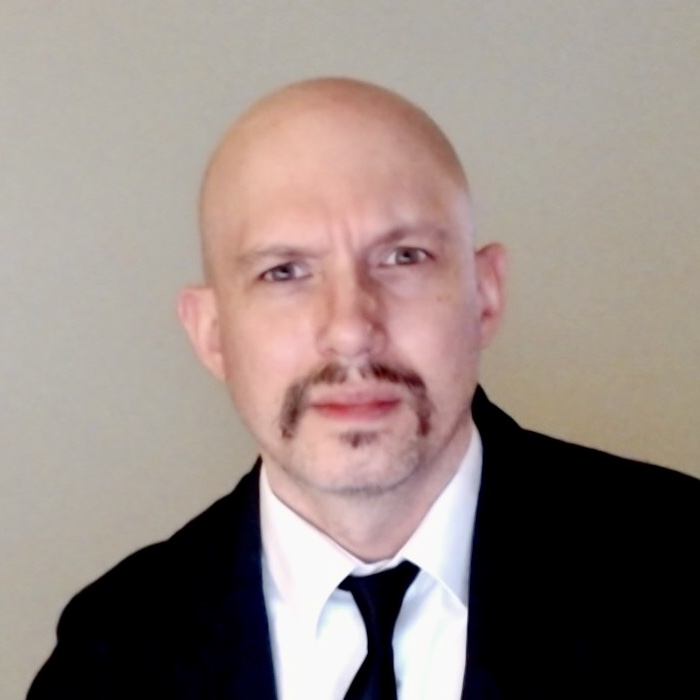
The images below are an actual before-and-after pair from an existing Veil CLI example. They demonstrate one-way obfuscation only, not encrypted recovery.
What AI research has opened up
Academic work gives us ways to reason about the problem: how much encrypted information can a transformed image carry, how much size overhead does that create, and can it restore the source exactly? AI helps explore alternatives and connect research ideas; it hasn't solved these constraints.
A parallel idea applies to text: could a readable, abstract message embed its encrypted original within the text itself, so a key holder can recover the exact wording?
Both approaches are research goals, not available recovery features. Compression, resaving, or reformatting may destroy the payload; visible obfuscation is not secure redaction. The test is whether a self-contained, keyed artifact is useful enough to justify its complexity.
Top research for Veil
These papers offer useful constraints and experimental baselines, not a ready-made algorithm for Veil's visibly abstract, self-contained carrier.
- Lossless cover recovery from image watermarking (ICCV 2025): separate exact original recovery from successful payload extraction or perceptual similarity.
- High-Capacity Reversible Data Hiding in Encrypted Images Using D4-Symmetry (Applied Sciences 2026): measure net payload after recovery metadata, not gross embedding capacity. The paper explicitly discusses negative net capacity as a failure mode in some evaluated configurations; its encrypted-image setting is not the same as Veil's visible artwork.
- Reversible data hiding and compression efficiency (2021): compare recovery overhead, compression, and practical capacity rather than maximizing a single metric.
- Linguistic steganography survey (EMNLP 2026): distinguish readable text from reliable encrypted-payload capacity, including robustness to subsequent editing.
Research is changing what a small image-obfuscation experiment might become. The challenge now is proving that its original can actually live, encrypted, inside the artwork.